

Choosing the Right Fire Brigade Padlock: A Comprehensive Guide For Fire Departments in The UK
Estimated reading time: 7 minutes
Key Takeaways
- Fire Brigade padlocks use standard key patterns so responders can gain quick access to controlled areas.
- Fire exits and escape routes must be immediately usable, so never fit a padlock on an egress door in use.
- BS EN 12320 sets out test methods and six security grades for mechanical padlocks.
- Typical uses include dry riser cabinets, utility cupboards, bin stores and gates that are not part of escape routes.
- Where a padlock is not suitable, consider using a secure information box for high-rise residential buildings in England, or a break-glass key box where controlled key access is beneficial.
What is a Fire Brigade Padlock?
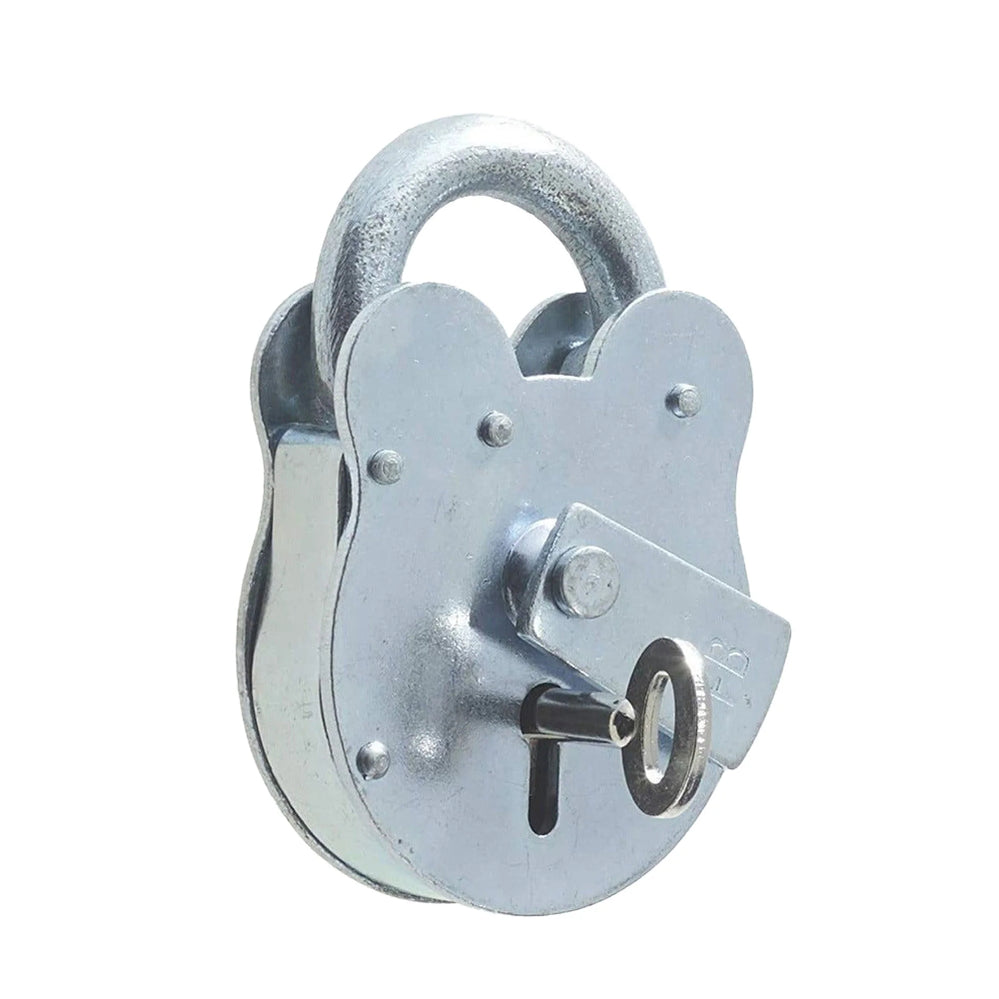
Fire Brigade padlocks are made for controlled access. They work with standard Fire Brigade key patterns, allowing emergency crews to open agreed points without cutting chains or forcing doors. They are common on estates and communal areas because many UK suppliers sell the matching keys and locks. So they speed up response, but they are not the choice for high theft risk.
Fire Exit Rules You Must Respect
UK law is plain on this. Emergency routes and exits must be kept clear and must open easily at all times when needed. Do not put a padlock on an exit door that people may need to pass through in an emergency. Use Fire Brigade padlocks on non-egress points only.
BS EN 12320 and CEN Grades Explained
BS EN 12320 is the British adoption of a European standard for mechanical padlocks and padlock fittings. It sets the performance and test methods for strength, security, durability and corrosion resistance. The standard establishes six grades of security based on attack tests. You can compare products on a like-for-like basis.
And a quick note on CEN grading. CEN grades also run from 1 to 6. Grade 6 is the highest. Many high-security applications use grades 3 to 6. So if theft resistance is your priority, lean toward the higher end.
Want to compare options fast? Browse our curated CEN Grade Padlocks range.
Fire Brigade Padlock or CEN Grade Padlock? Choose With Intent
Pick a Fire Brigade padlock when authorised emergency access is the main goal across sites. The shared key pattern lets responders get in quickly, so you avoid unnecessary damage. But that same convenience reduces resistance to determined attack compared with top-end security locks.
Pick a CEN grade 4 to 6 padlock when you need stronger resistance to cutting, twisting or drilling. If responders truly need to enter, they can still force access as a last resort, but your equipment remains better protected from theft the rest of the time.
How to Select The Right Padlock For Your Site
Start with location and weather. For coastal or exposed sites, choose marine or weather-resistant builds. Brass or stainless components and sealed mechanisms handle salt and rain better than untreated steels.
Then think about shackle style. Closed shackle designs reduce access to the shackle, making it difficult for cutters and saws to operate. Open shackles give more clearance where hardware gets in the way. Pick the one that fits the hasp or chain you have.
Plan your keys. Fire Brigade locks follow standard key patterns. Security padlocks can be supplied keyed alike for convenience, or as part of a master key plan, where that suits your estate.
Quick Checklist You Can Copy
☐ Confirm the door or gate is not an escape route.
☐ Decide on Fire Brigade for controlled access or CEN for security.
☐ Choose a closed shackle where cutters are a risk.
☐ Specify marine grade for coastal or exposed locations.
☐ Record where each lock is, who holds the keys and when to inspect.
Use Cases You Will Recognise
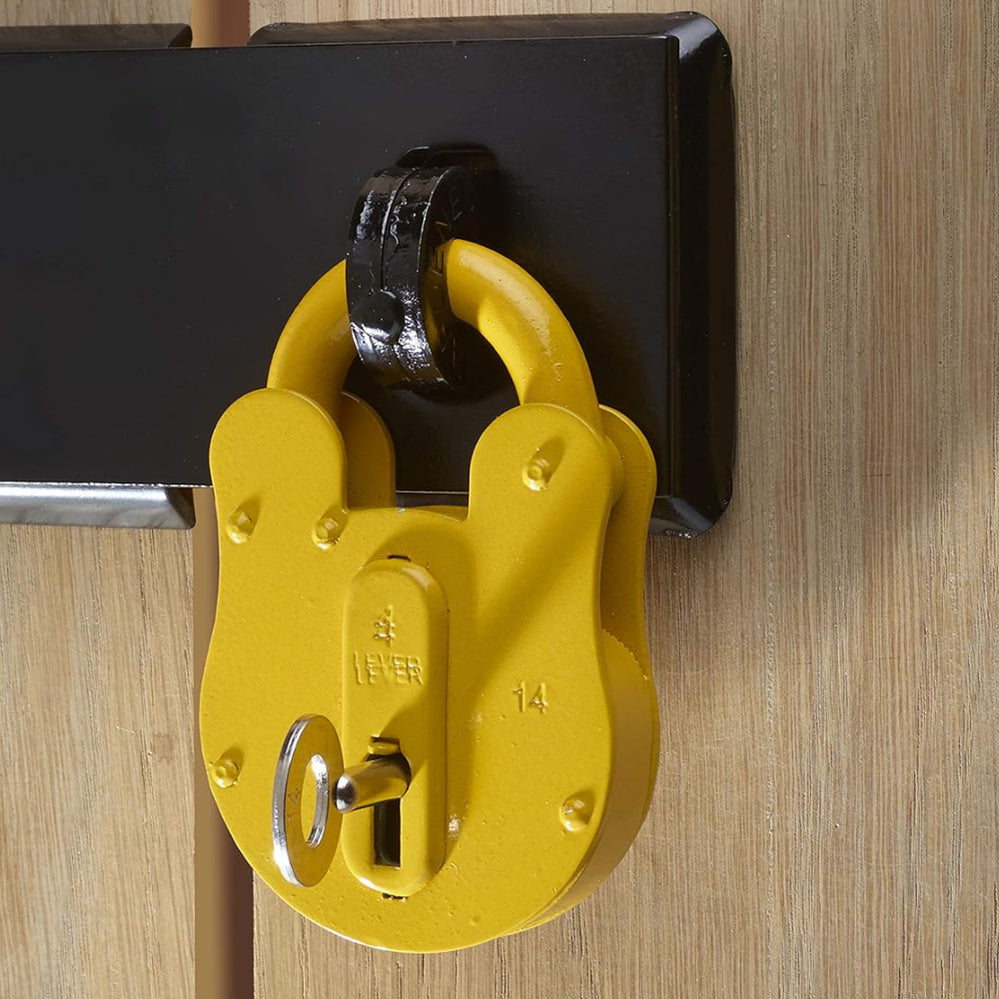
Dry riser inlet cabinets are a classic place for Fire Brigade access. Many UK dry riser suppliers offer FB padlocks or FB slam locks for these cabinets. You will also see FB locks on utility cupboards, bin stores and perimeter gates that are not part of an escape route.
When a Padlock is Not The Answer
High-rise residential buildings in England must have a secure information box. It holds essential details for the Fire and Rescue Service. If you manage such a building, make sure you install and maintain the box according to the government guidance.
You can also consider a break-glass key box where a local key is needed in a hurry. It keeps a key visible and accessible without leaving a door unlocked. Use it with care and with a straightforward procedure.


You want fast access for responders and sensible protection for your kit. Choose Fire Brigade padlocks where crews need a quick way in. Choose CEN 4 to 6 where resistance to attack matters. Then match the shackle and materials to the job. If you would like more practical reads, visit our blog. If you are ready to compare graded options, browse our CEN collection. Or if you want help from a real person, learn more about us and get in touch.
Related Blogs & Guides
Learn more with our curated selection of tips and guides.


