

Sold Secure Bike Locks: Your Buyer's Guide
Estimated reading time: 7 minutes
Sold Secure is the UK's leading independent testing standard for bike locks. But many cyclists don't know which rating suits their needs. This guide helps you choose with confidence. Explore our full range of bike locks to find the proper protection for your ride.
What Does Sold Secure Gold Mean for Bike Locks and Which Rating Do You Need?
Sold Secure is an independent testing organisation owned by the UK's Master Locksmiths Association. They test locks using a set range of tools and methods, then assign a rating based on performance. For bikes, there are four levels: Diamond, Gold, Silver and Bronze.
Here's how to work out which rating suits you.
Consider Diamond-rated locks if:
- Your bike's worth over £1,000+
- You regularly leave it in busy public areas.
- You own an electric bike.
- Your insurance requires Diamond certification.
Consider Sold Secure Gold bike locks if:
- You leave your bike unattended for several hours.
- You need solid protection in moderate risk areas.
- Your insurer specifies Gold as the minimum.
Consider Silver or Bronze-rated locks if:
- Your bike's a lower-value commuter.
- You only leave it briefly in supervised spots.
- You're adding a secondary lock alongside a main one.
Things to think about
1. Bike value: Match your lock investment to the value of what you're protecting.
2. Location risk: Urban centres and transport hubs see more theft than rural areas.
3. How long you leave it: The longer your bike sits there, the more time thieves have to steal it.
4. Insurance requirements: Many policies won't pay out unless you've used an approved lock. Check your terms before you buy.
5. Portability: Higher-rated locks tend to be heavier. Balance security against what you'll actually carry.
How Can You Spot a Quality Sold Secure Gold Bike Lock and Avoid Common Mistakes?
| Green Flags: Signs of Quality | Red Flags: Selection Mistakes |
|---|---|
| The Sold Secure certification is clearly shown on the packaging. | No third-party certification or vague "high security" claims. |
| Hardened steel construction in shackle, body, or chain links. | Lightweight materials like aluminium that cut effortlessly. |
| Drill-resistant and pick-resistant protection is built into the mechanism. | Basic pin tumbler mechanisms with no extra protection. |
| Double deadlocking shackle that resists leverage attacks. | Single locking shackles that release with moderate force. |
| Protective sleeve for chains to prevent scratches on your bike. | Exposed metal chains that scratch frames and rust. |
| Manufacturer's warranty of at least 5 years. | No warranty or short coverage periods. |
| Consistent ratings across independent reviews. | Inflated manufacturer claims that don't match Sold Secure ratings. |
| Sensible size and weight for daily use. | Heavy locks that put you off using them, or ultralight locks lacking substance. |
| Works with ground anchors and bike racks. | Awkward dimensions that don't fit standard parking infrastructure. |
| Established brand: Squire or ABUS. | Unknown brands with no history or customer feedback. |
Green Flags: Signs of Quality
The Sold Secure certification is clearly shown on the packaging.
Hardened steel construction in shackle, body, or chain links.
Drill-resistant and pick-resistant protection is built into the mechanism.
Double deadlocking shackle that resists leverage attacks.
Protective sleeve for chains to prevent scratches on your bike.
Manufacturer's warranty of at least 5 years.
Consistent ratings across independent reviews.
Sensible size and weight for daily use.
Works with ground anchors and bike racks.
Established brand: Squire or ABUS.
Red Flags: Selection Mistakes
No third-party certification or vague "high security" claims.
Lightweight materials like aluminium that cut effortlessly.
Basic pin tumbler mechanisms with no extra protection.
Single locking shackles that release with moderate force.
Exposed metal chains that scratch frames and rust.
No warranty or short coverage periods.
Inflated manufacturer claims that don't match Sold Secure ratings.
Heavy locks that put you off using them, or ultralight locks lacking substance.
Awkward dimensions that don't fit standard parking infrastructure.
Unknown brands with no history or customer feedback.
Building a Complete Bike Security System
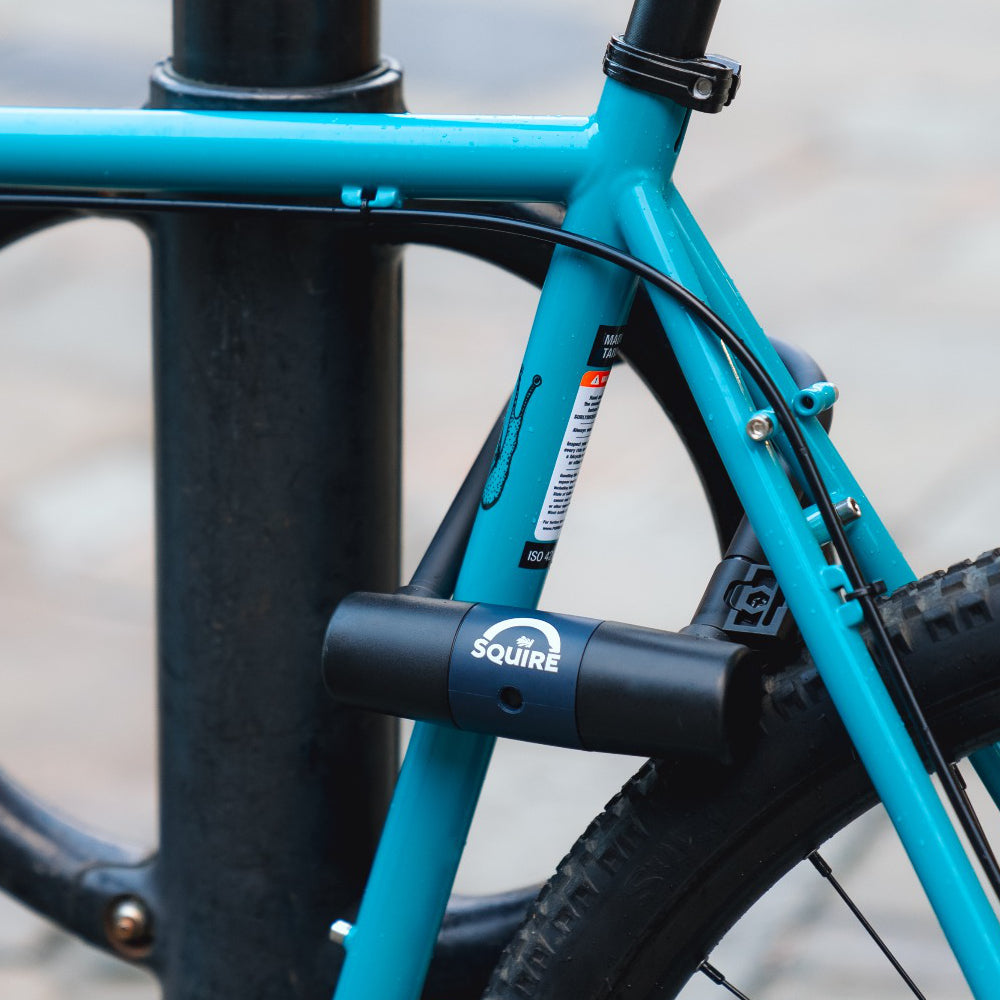
A Sold Secure Gold bike lock is your foundation. But the best protection combines several elements.
Use Two Different Lock Types
A thief carrying tools for one lock type might not have what's needed for another. Pair a D lock with a chain lock, or add a cable to secure your wheels. It forces criminals to work longer and carry more gear.
Ground Anchors For Home Storage
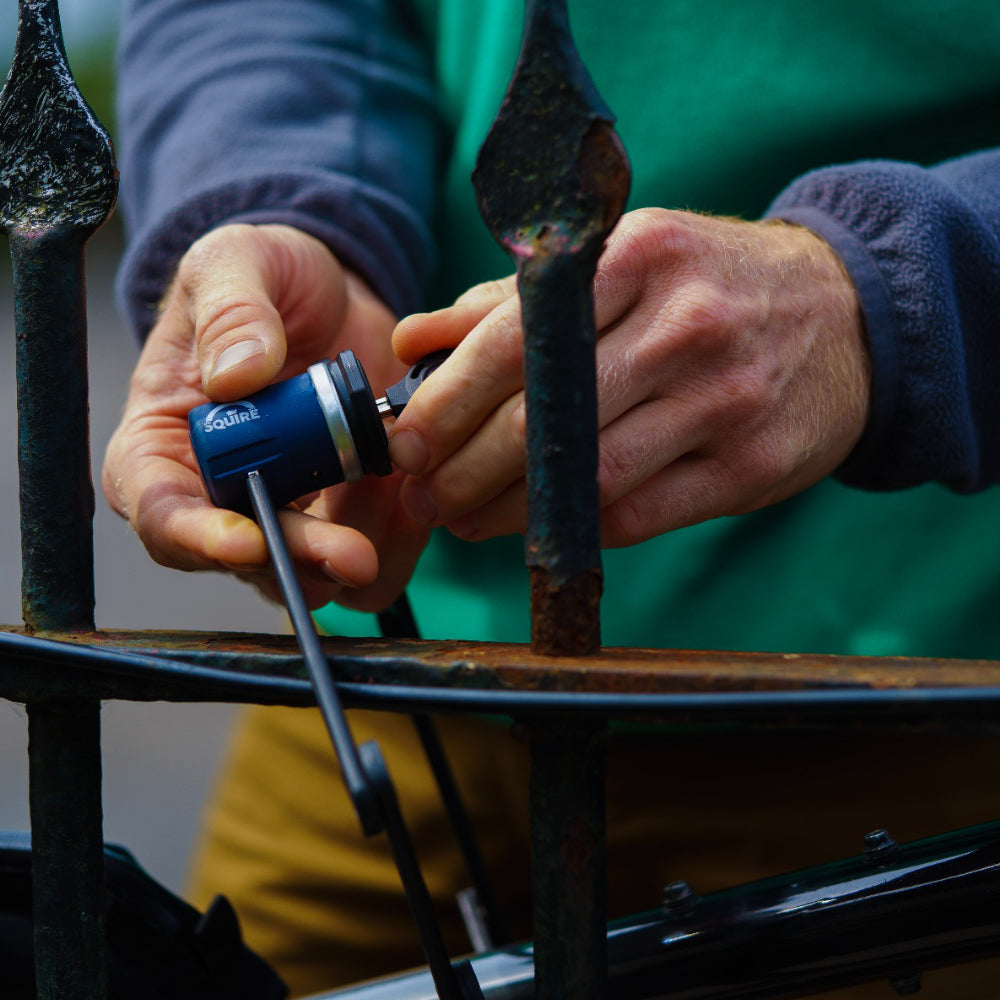
At home, securing your bike to a fixed point makes theft far harder. Ground and wall anchors provide a permanent mounting point for garages, sheds or indoor applications. The Squire GA6 carries a Sold Secure Motorcycle Diamond rating and takes chains up to 22mm in diameter.
Security Chains For Flexibility:
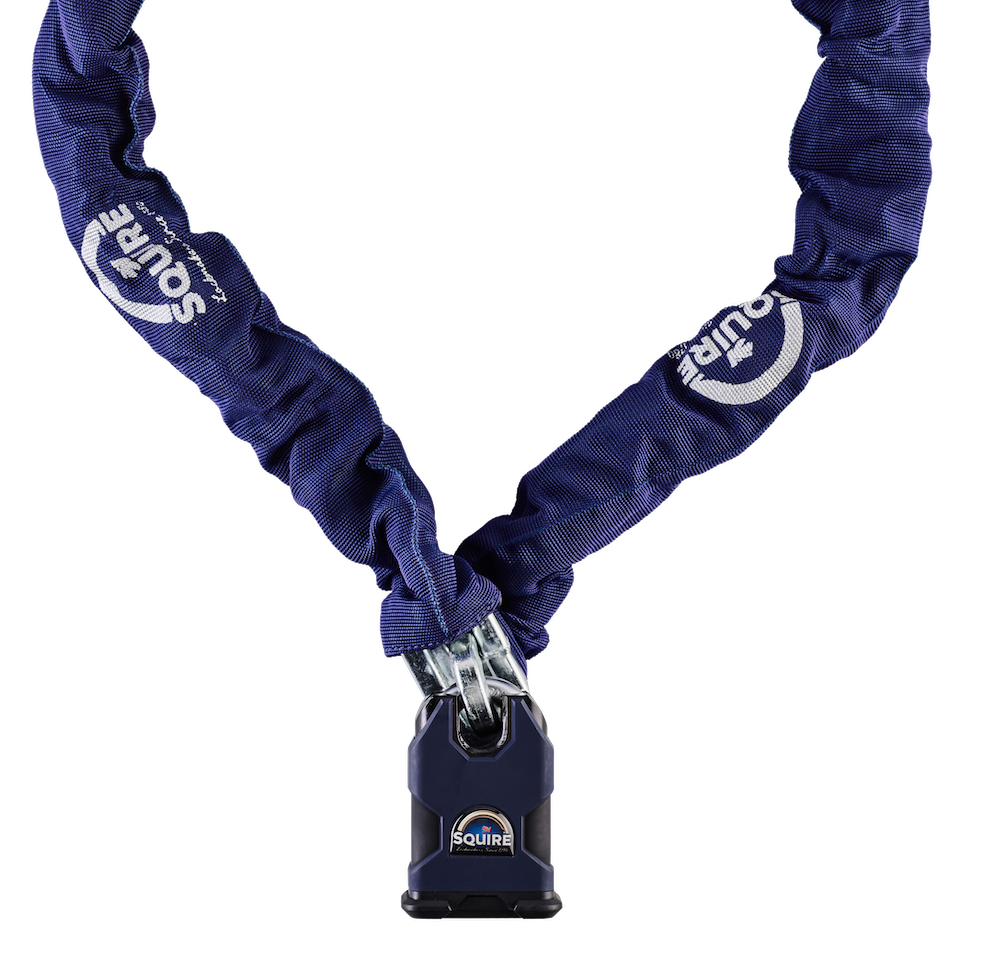
Security chains with hardened steel links and protective sleeves offer flexibility that rigid locks can't match. The Squire G4 chain carries a Sold Secure Gold rating and includes a protective sleeve.
Fixed Anchor Points:
Installing a ground anchor at home or work changes everything. Even the best portable lock only delays a thief. Anchoring your bike to something immovable forces them to defeat both the lock and the anchor.
Closed Shackle Padlocks:
If you're using a chain, the padlock matters just as much as the links. Closed shackle padlocks protect the shackle from cutting tools by encasing it within the lock body.
Understanding the Sold Secure Testing Process
Knowing how locks earn their ratings helps you understand what each level means.
Attack Duration Testing
Sold Secure testers attempt to defeat locks using specific tool sets for defined time periods. Gold-rated locks must withstand attacks for a minimum of 5 minutes using tools such as TCT hacksaws, large bolt croppers, crowbars and lump hammers.
Tool Categories
Bronze testing uses basic tools that are easy to conceal: screwdrivers and junior hacksaws. Silver introduces heavier equipment including small bolt croppers, full-size hacksaws, stillsons and crowbars for a minimum of 3 minutes. Gold and Diamond tests use professional-grade cutting and leverage tools.
Annual Recertification
Manufacturers must resubmit products for testing each year to keep their certification. This ensures ratings stay current as attack methods evolve.
Pedal Cycle Vs Powered Cycle Standards
Sold Secure uses different test criteria for pedal cycles and powered cycles, including electric bikes. A lock rated Gold for standard bicycles might only achieve Silver for powered cycles because of stricter requirements. Check which standard applies when comparing electric bike locks for security.
Choosing the Right Lock Type
Different lock designs suit various situations.
D-Locks
Rigid U-shaped locks offer excellent resistance to leverage attacks. Their fixed shape limits where you can lock. But that rigidity is also their strength. They're ideal for locking frames to fixed objects.
Chain Locks
Flexibility makes chains versatile. You can wrap them through wheels, around posts of various sizes, or loop multiple bikes together. Weight is the trade-off: secure chains are heavy.
Folding Locks
Compact when stored, these articulated locks unfold to provide reasonable reach. Security varies widely. Look for Sold Secure certification before assuming protection levels.
Cable Locks
Steel cables offer lightweight, affordable secondary security. But they shouldn't be your only lock. Use them to secure wheels and accessories when paired with a primary lock.
Practical Locking Techniques
Even the best lock fails if you use it poorly.
Lock to Immovable Objects
Always secure your bike to something a thief can't lift or dismantle. Proper bike racks and lamp posts set in concrete work well. Wooden posts and chain link fences don't.
Fill The Lock
Leave minimal space inside your lock. Gaps let thieves insert leverage tools. Threading the lock through the frame, wheel and anchor point eliminates working room.
Lock High
Position your lock away from the ground. Attackers can't use their body weight to press bolt croppers at waist height.
Secure Both Wheels
Front wheels with quick-release mechanisms are prime targets for theft. Use your central lock through the rear wheel and frame. Then add a secondary device for the front wheel.
Why Sold Secure Ratings Matter
What you gain from choosing a Sold Secure-rated lock
Independent verification sets Sold Secure apart from manufacturer claims. Any company can call their lock 'high security'. Sold Secure certification means the lock has actually been tested by the Master Locksmiths Association using standardised attack methods. You're not relying on marketing. You're relying on results.
Insurance compliance is another practical benefit. Many UK bicycle insurers require Sold Secure certification for theft claims. Without an approved lock, your claim might be rejected. Choosing a rated lock protects both your bike and your ability to recover its value if the worst happens.
Consistency across brands also helps. A Sold Secure Gold lock from Squire meets the same testing criteria as a Gold lock from ABUS. You can compare products knowing they've been measured against the same standard.
Who benefits most from Sold Secure Gold bike locks?
Commuters leaving bikes at train stations or workplace car parks face a higher risk of theft. Bikes sit unattended for hours in locations thieves know well. A Sold Secure Gold lock provides the sustained attack resistance needed for these situations.
Students at universities and colleges often store bikes in shared or public areas. Theft rates on campuses can be high. A Gold-rated lock offers strong protection without the weight and cost of Diamond-rated options.
Electric bike owners face a particular risk due to their bikes' higher value. Sold Secure tests e-bikes against stricter 'powered cycle' criteria. Check that your lock carries the appropriate powered cycle rating, not just the pedal cycle rating.
Families with multiple bikes benefit from consistent security. Keyed alike options let you use a single key for multiple locks, making daily use more practical.
The real-world difference
A visible Sold Secure-rated lock acts as a deterrent. Thieves assess targets quickly. A recognisable high-security lock signals that this bike will take time and effort to steal. Many will move on to easier targets.
Valid insurance claims depend on the correct use of approved locks. Document your lock purchase and keep the receipt. Some insurers ask for proof of the lock's Sold Secure rating when processing claims.
Resale value matters too. Buyers of second-hand bikes often ask what security comes with the bike. A quality Sold Secure-rated lock adds genuine value to any sale.
Secure Your Bike with Expert Guidance
At Locks Direct, we've spent almost 15 years helping cyclists find security solutions that work. We stock Sold Secure-rated bike locks, chains and anchors from Squire and ABUS. For advice on matching the right lock to your bike and budget, get in touch with our security specialists.
Shop Bike Locks


Frequently Asked Questions
What is a Sold Secure Gold bike lock?
A Sold Secure Gold bike lock is a security device that's passed independent attack testing by the Master Locksmiths Association. Gold-rated locks resist attacks with bolt croppers, hacksaws, and leverage tools for a minimum of 5 minutes. They're suitable for bicycles left in public areas.
Are Sold Secure Gold bike locks required for bicycle insurance?
UK bicycle insurers commonly require Sold Secure certification to validate theft claims. Many policies specify minimum ratings based on your bike's value. Requirements vary by insurer, so check your policy wording before buying.
What is the difference between Sold Secure Gold and Diamond bike locks?
Diamond-rated locks are tested against larger tools and more attack methods than Gold-rated locks. Diamond represents the top security tier for pedal cycles and includes testing against angle grinders for 1.5 minutes as part of the 5-minute minimum attack test. Gold offers strong protection against standard attack methods.
Can I use a Sold Secure Gold padlock with a security chain for my bike?
A Sold Secure Gold padlock is a good choice for securing a quality bike chain. Closed shackle designs offer added protection by shielding the shackle from cutting tools. Make sure both the chain and padlock carry appropriate ratings.
How do I check if a bike lock is genuinely Sold Secure approved?
You can verify any lock through the official Sold Secure website, which lists all certified products. Genuine products display the Sold Secure logo with their rating level. Confirm current approval status, too, as ratings need annual renewal.
Related Blogs & Guides
Learn more with our curated selection of tips and guides.


