

The True Cost of a Burglary for UK Homeowners
The cost of a burglary in the UK rarely stops at the value of what's taken. There’s also the insurance excess, repairs to a forced door or broken window, and the time spent dealing with the aftermath. Then there’s the impact on the people who live there, which can be harder to put a figure on.
This guide draws on the latest crime figures and Home Office research to examine what a burglary in the UK really costs beyond the value of what’s stolen. It looks at typical losses and insurance payouts, as well as the wider costs that never appear on a claim form.
Knowing where the real costs sit makes it easier to judge what's worth protecting, and how much it makes sense to spend doing it.
Estimated reading time 5 minutes
In This Article
Burglary Is Falling, But It Still Affects Thousands of Homes Each Year
Domestic burglary in England and Wales has been falling for three decades, and that trend continued through 2025. The Crime Survey for England and Wales recorded around 327,000 domestic burglaries in the year to December 2025, down 22% from 422,000 the previous year. Improvements in home security are among the factors linked to the long-term decline.

Even so, hundreds of thousands of households are still affected each year. The financial impact can stretch well beyond the value of anything stolen, with repairs, insurance costs and time spent dealing with the aftermath all adding to the total.
When a burglary does happen, the first cost most people think about is the value of what's stolen. According to the Association of British Insurers, home insurers paid out an average of £4,350 for each theft claim in the first quarter of 2026, up 14% from £3,800 for the same period the year before.
That figure is what insurers pay after a successful claim, not necessarily the full value of what's lost. Policy excess and underinsurance both reduce what actually lands back in your pocket. High-value items like jewellery or electronics can also sit outside standard contents cover unless you've listed them separately.
The Bill That Insurance Doesn't Cover
Stolen property is only one line in the real cost of a burglary. The Home Office's own research into the economic and social cost of crime puts the average cost of a burglary in the UK at £7,720, spread across categories that go well beyond the value of what's taken.
Here's how that figure breaks down:
| Cost category | Estimated Cost |
|---|---|
| Value of property stolen or damaged | £3,080 |
| Physical and emotional harm to the victim | £1,420 |
| Police and criminal justice response | £1,180 |
| Security spending (locks, alarms and other prevention) | £720 |
| Lost output from time off work | £580 |
| Health services | £430 |
| Insurance administration | £310 |
Cost category
Value of property stolen or damaged
Estimated Cost
£3,080
Cost category
Physical and emotional harm to the victim
Estimated Cost
£1,420
Cost category
Police and criminal justice response
Estimated Cost
£1,180
Cost category
Security spending (locks, alarms and other prevention)
Estimated Cost
£720
Cost category
Lost output from time off work
Estimated Cost
£580
Cost category
Health services
Estimated Cost
£430
Cost category
Insurance administration
Estimated Cost
£310
These figures come from the Home Office’s 2019 to 2020 price-year model, which provides the most recent full breakdown available. They’re intended to show how different costs compare, rather than predict exactly what an individual household will pay.
“
The overall picture is still useful. Stolen goods account for less than half of the total cost, while the disruption and emotional impact of dealing with a burglary add considerably more.
”Why Home Insurance Premiums Change After a Burglary Claim
A burglary insurance claim tends to affect what you pay for cover afterwards, and rising claim values across the industry are part of the reason premiums move the way they do. The ABI's Q1 2026 figures show theft claims rising faster than most other property claim types, which insurers factor into how they price risk across the market.
Insurers also look closely at security when they price a policy or settle a claim. Many policies specify a minimum lock standard, commonly a CEN grade or a Sold Secure rating, and fitting anything below that can affect whether a claim gets paid in full. It's worth checking your policy wording for the exact standard it asks for, rather than assuming any padlock or door lock will do.

Spending Now to Cut the Bill Later
Security spending already shows up as one of the smaller lines in the breakdown above, and it's the one homeowners have the most direct control over. HomeOwners Alliance guidance puts a basic monitored alarm system at £300 to £600 to install, plus around £250 a year for maintenance and automatic police call-out. That's a fraction of the £7,720 total cost of a burglary.
Locks matter just as much as alarms, particularly on sheds and garages, which are common entry points that get less attention than the front door. Our insurance-rated padlocks collection is filtered by CEN grade and Sold Secure rating, so you can match a lock to what your policy actually asks for rather than guessing. For outbuildings specifically, our garden and shed range and ground anchors collection cover the extra fixings a shed or garage lock relies on.
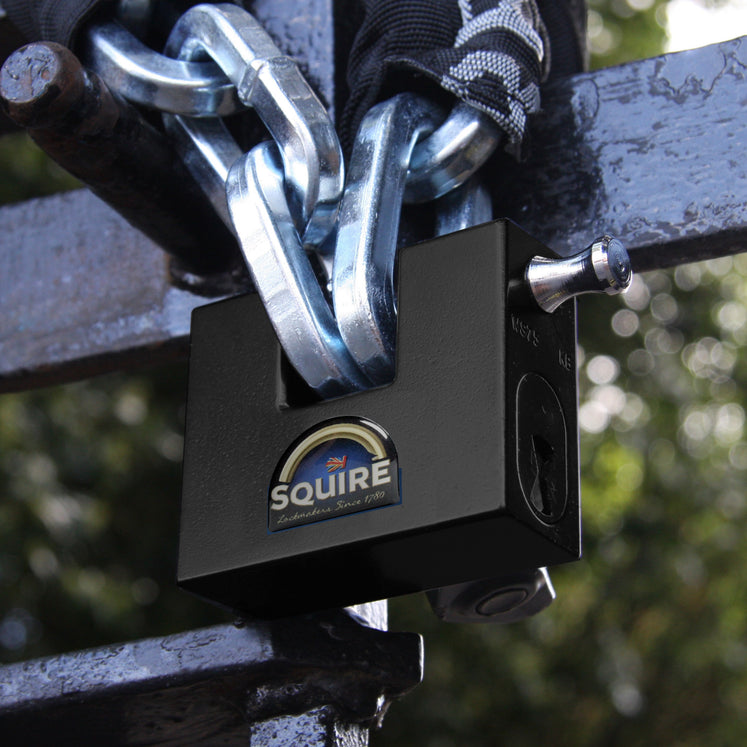
Top Insurance-Rated Padlocks for Homeowners
Once you know what grade your insurer expects, matching it to an actual padlock is straightforward. The table below covers four insurance-rated options we stock, from a straightforward shed padlock through to a stainless option built for exposed coastal sites.
| Padlock | CEN Grade | Best Suited To | Price |
|---|---|---|---|
| Squire SS50S Stronghold Padlock | CEN 4 | General sheds and garages | £38.32 |
| Squire SS50CS Stronghold Padlock | CEN 4 | Sheds and garages needing extra cut resistance | £44.99 |
| Abus 83CS/55 Padlock | CEN 4 | Garages and exposed gates | £48.20 |
| Squire ST65S Stainless Stronghold Padlock | CEN 3 | Coastal homes and exposed garden gates | £79.58 |
Padlock
CEN Grade
CEN 4
Best Suited To
General sheds and garages
Price
£38.32
Padlock
CEN Grade
CEN 4
Best Suited To
Sheds and garages needing extra cut resistance
Price
£44.99
CEN Grade
CEN 3
Best Suited To
Coastal homes and exposed garden gates
Price
£79.58
⚠️
Check Your Policy
All four carry a CEN grade that may be recognised by your insurer. Check your policy wording before you buy so you know exactly what level of security is required.


Making Sure Your Cover Actually Pays Out
“
A good lock costs far less than dealing with a burglary, but it still needs to meet the requirements set out in your insurance policy. Choosing the right CEN grade or Sold Secure rating can help you avoid problems if you ever need to make a claim.
”We’ve helped homeowners across the UK secure their properties for more than 23 years. If you’re unsure what rating your insurer requires, call us on 0800 542 1264 (freephone) or get in touch with our team and tell us what you need to secure.
You can also browse our full padlock range to compare insurance-rated options across different security grades.
Related Blogs & Guides
Learn more with our curated selection of tips and guides.


